CIPP stands for cured-in-place pipe. It is a way to rebuild a damaged pipe from the inside, so the old pipe stays in the ground and becomes the host for a brand-new one.
How the liner works
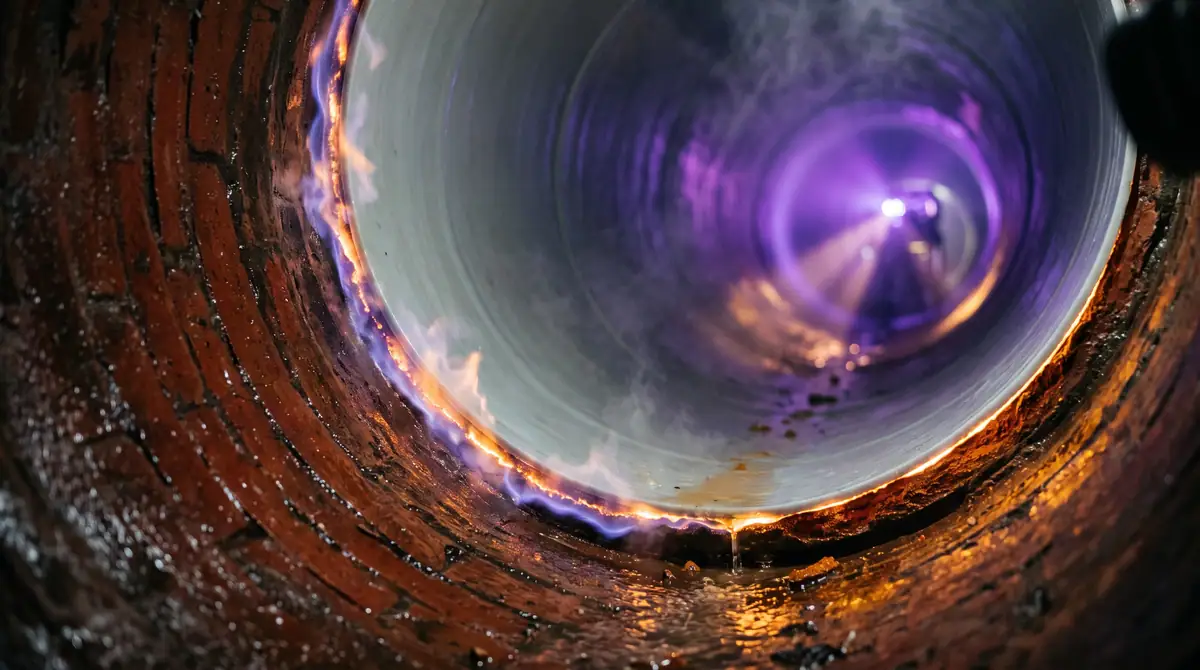
A flexible felt or fiberglass tube is soaked with resin, pulled or inverted into the damaged pipe, and pressed against the wall. Heat, steam or ultraviolet light then cures the resin into a hard, smooth pipe within the old pipe. Because it is formed in place, it hugs every bend and joint.
What it fixes
CIPP seals cracks, open joints, root entry points and pinholes, and it restores a strong, smooth flow path. It is a strong choice for clay, cast iron, concrete and Orangeburg lines that are leaking or rooted but still hold their general shape.
What it does not fix
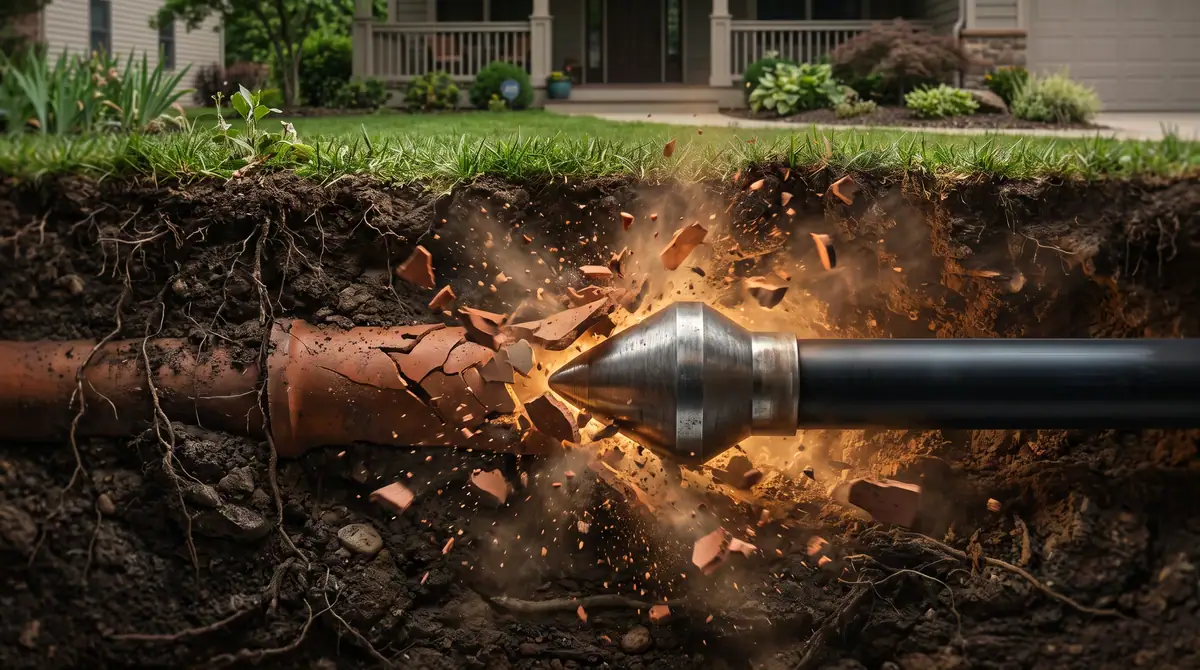
A pipe that has fully collapsed, or one with a serious belly that holds water, may need pipe bursting or a short dig instead. A camera inspection tells us which case you have before anything is scheduled.
Why Knoxville homes use it
East Tennessee yards are full of mature trees, steep lots and clay soil. Lining means access points instead of trenches, so driveways, patios and root systems stay in place.
The short version
Clean the pipe, line the pipe, reopen the side connections and check the result on video. Most lateral lining jobs can be completed in a day.