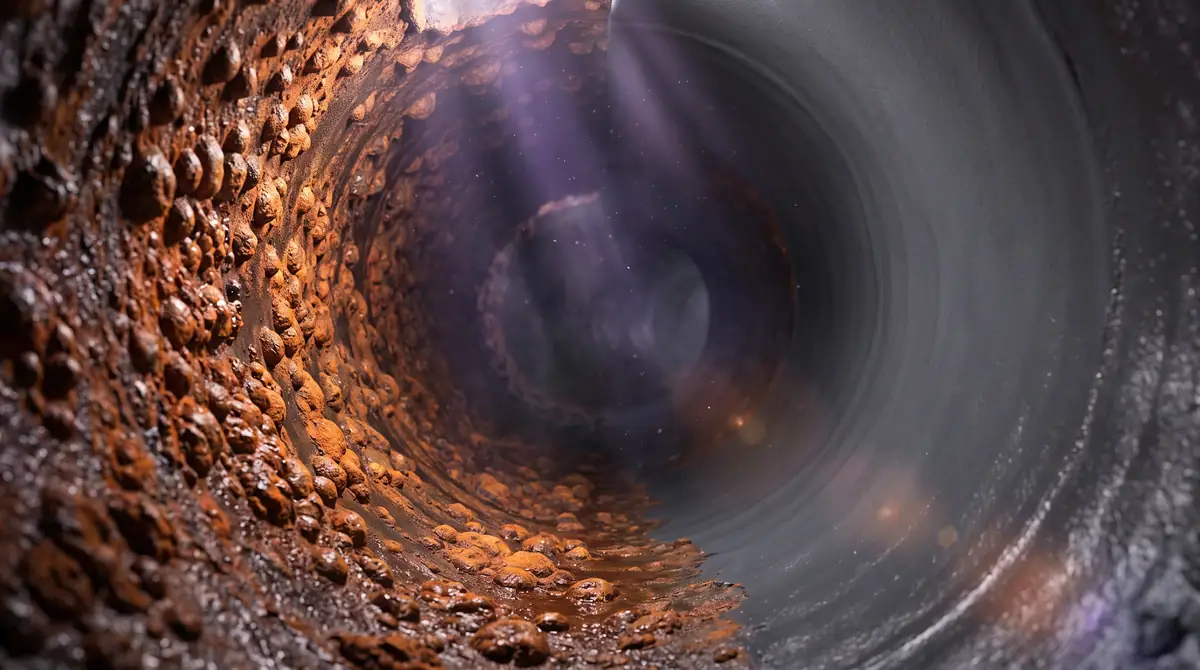
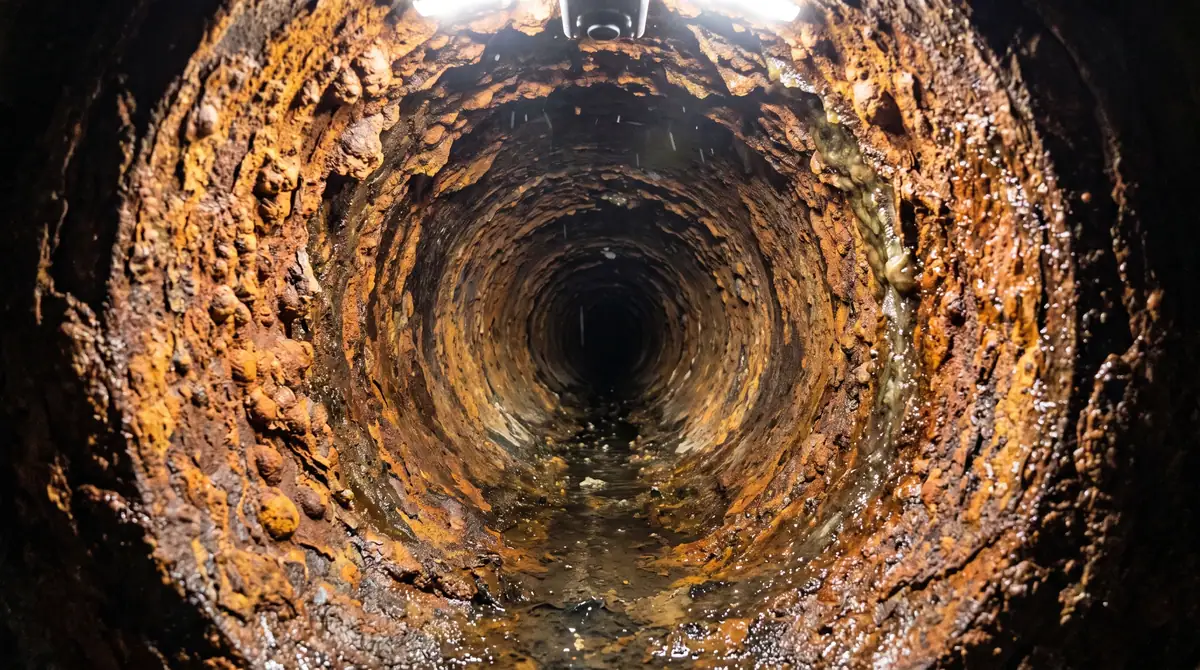
Rust scale in the camera view
Heavy nodules reduce the pipe diameter and catch waste.
Rehab for rusted, scaled and cracked cast iron drains, stacks and sewer lines without demolition.
Cast iron served homes and buildings for generations, but it corrodes from the inside. Rust nodules build up, the flow area shrinks, and eventually seams crack and walls thin. Many older Knoxville homes and commercial buildings still have cast iron under slabs and inside walls, where digging or opening drywall is costly. Cast iron pipe lining restores the line without tearing into floors, ceilings or foundations.
We camera the pipe, descale it with mechanical tools and jetting, and install a liner that bonds to the cleaned iron. The new pipe is smooth, sealed and corrosion-proof inside, while the old iron remains as a protective outer shell. We discuss when thin or broken sections need point repair or replacement first, and we explain what we see on the video. You get a plain scope before any work starts.
Heavy nodules reduce the pipe diameter and catch waste.
Gradual loss of flow is the classic cast iron symptom.
Stains, odors or damp spots around joints point to failing connections.
Hidden pipes make trenchless lining far less disruptive than demolition.
We measure remaining wall condition and flow area.
Rust and buildup are removed so the liner can bond.
Weak spots are addressed before the liner is installed.
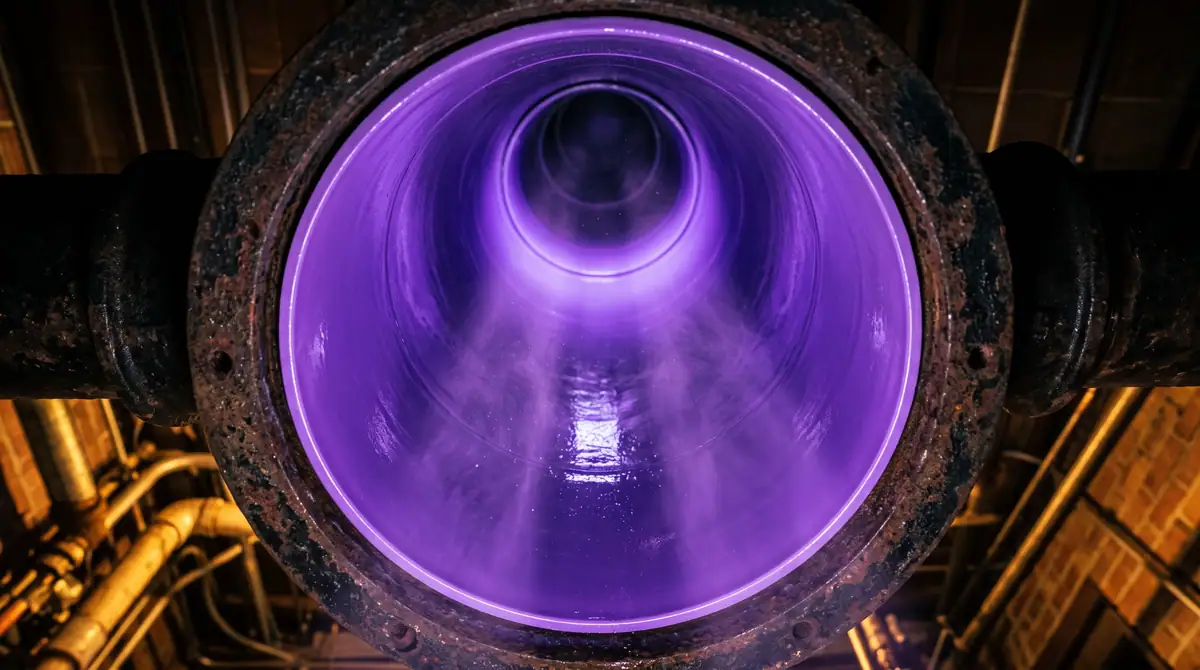
A resin liner is cured inside the cleaned iron.
Fixtures are reconnected and the system is verified.
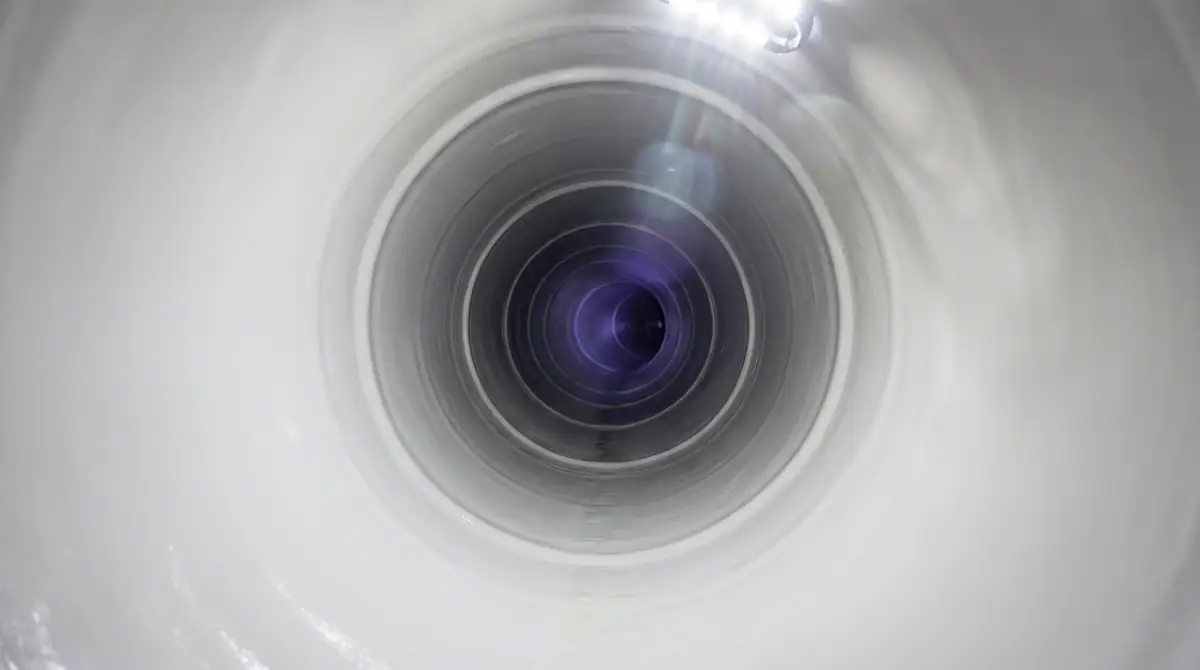
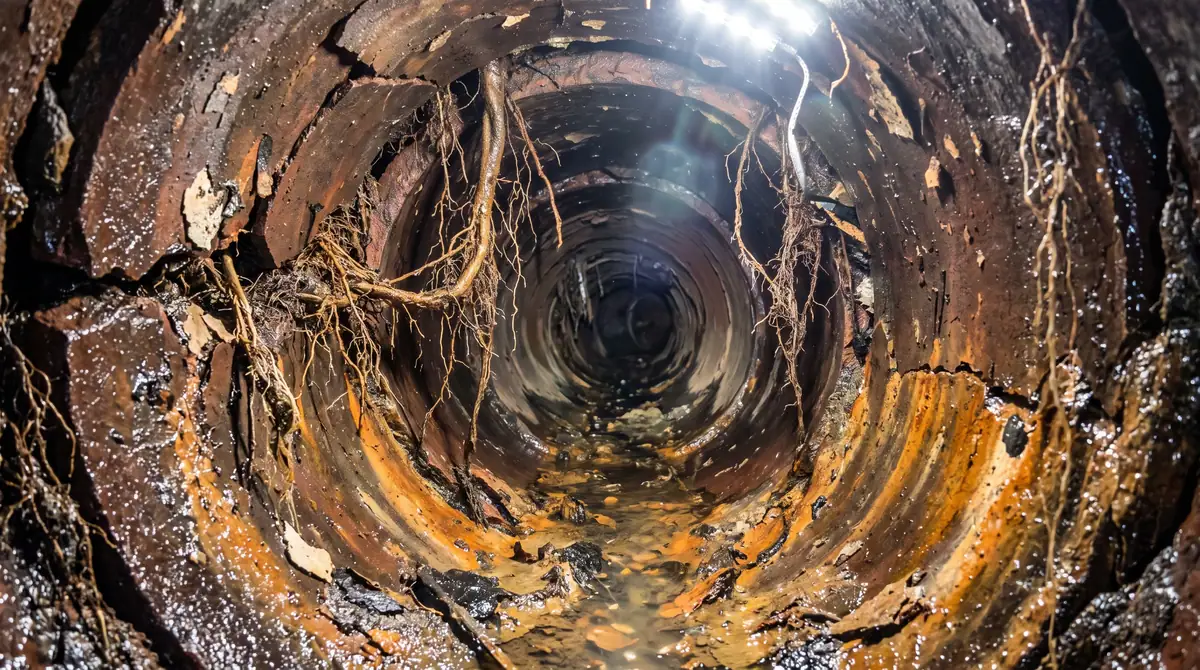
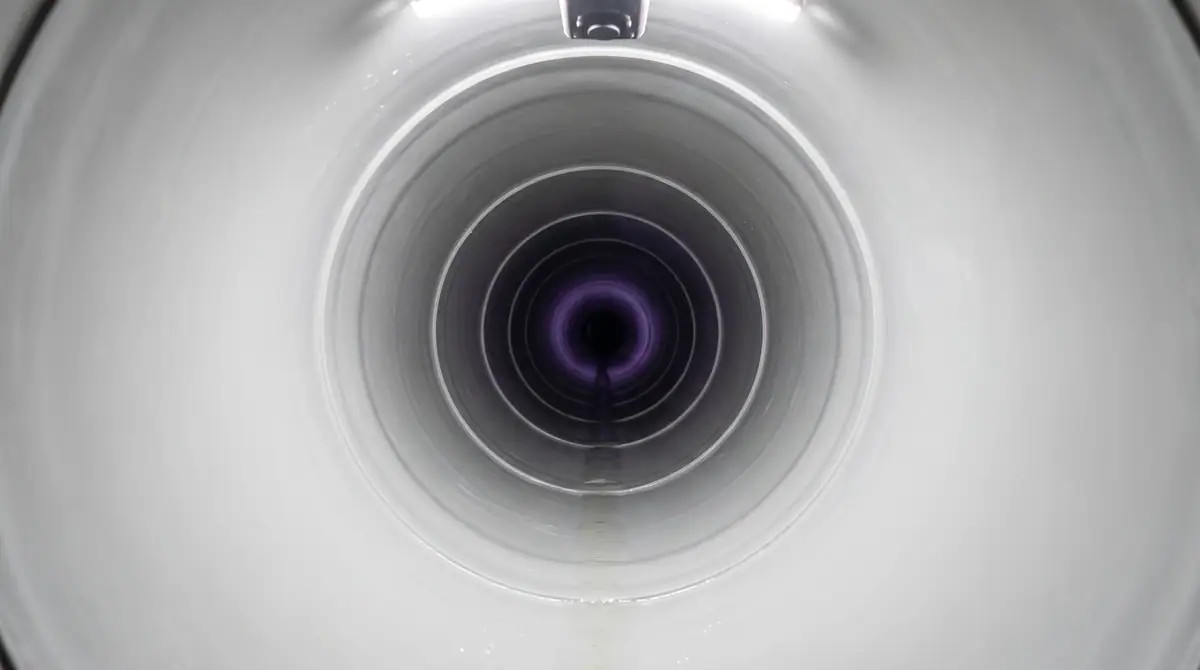
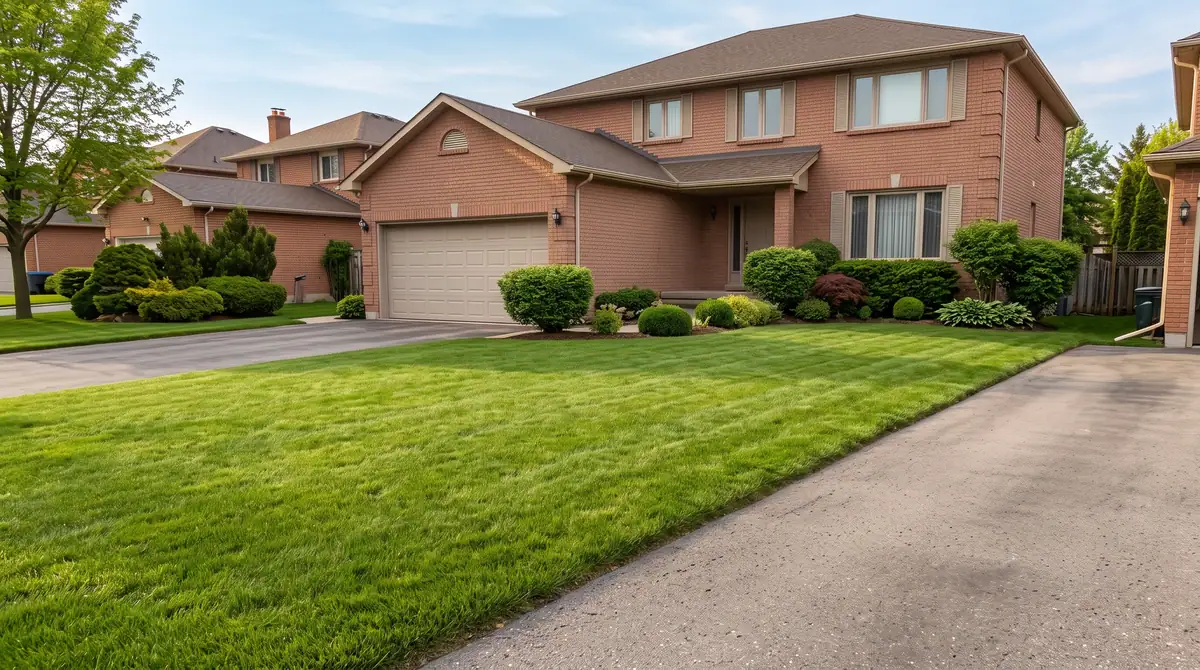
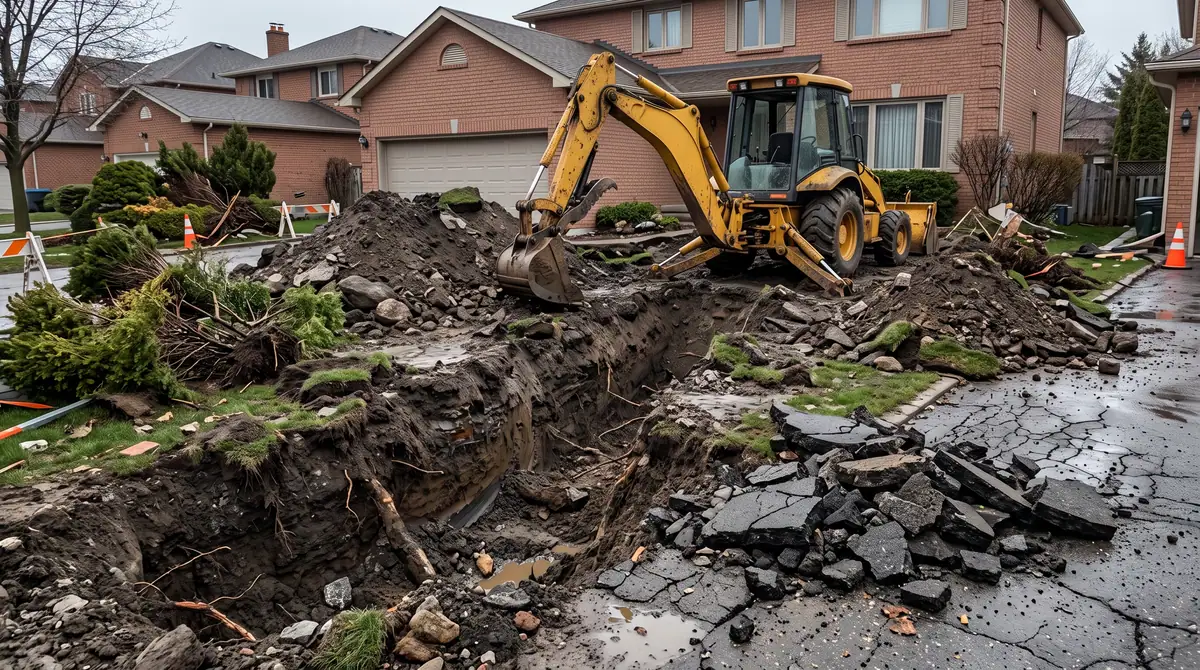
Pipes behind finished surfaces stay hidden.
The liner resists rust and keeps flow steady.
The iron host pipe adds support.
Occupied buildings stay in use during most of the work.
Most can, provided it is structurally sound enough to host a liner. The camera shows us whether lining or replacement fits.
A continuous liner seals hub gaps. Heavily damaged hubs may need extra repair first.
Yes. See our drain stack lining page for details.
It varies by environment and use. We judge condition from video rather than age alone.
 Drain Stack LiningRebuild corroded vertical drain stacks in multi-story buildings without opening walls.Explore
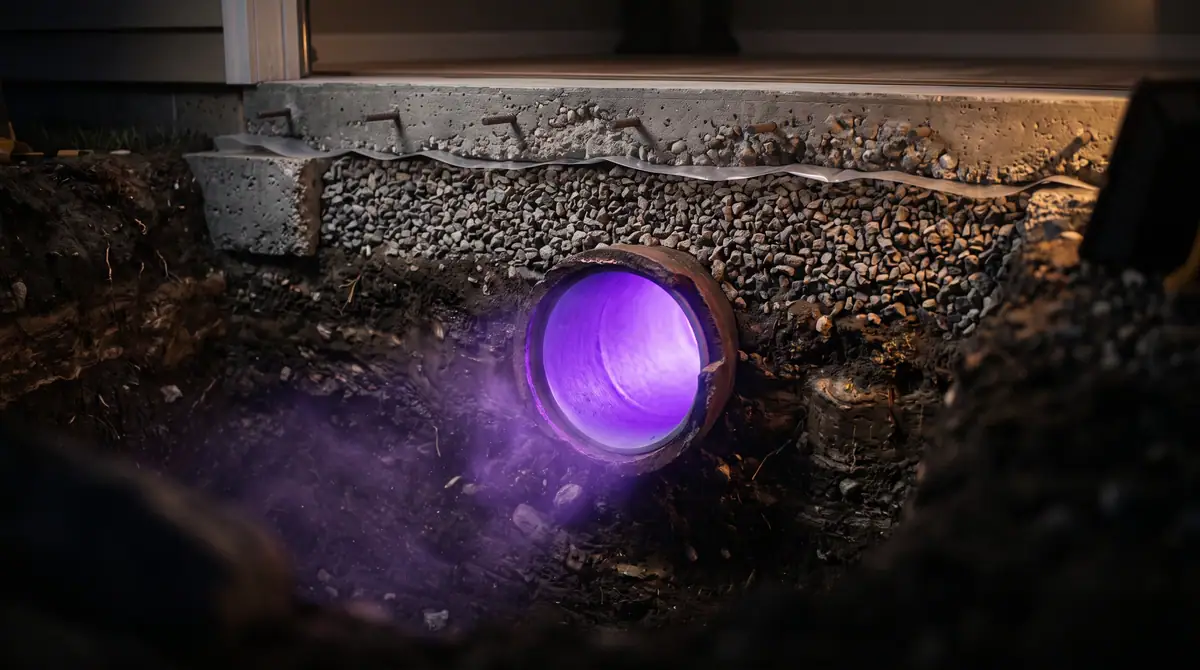 Under-Slab Pipe LiningRepair drains and sewer lines beneath a concrete slab without breaking the floor.Explore
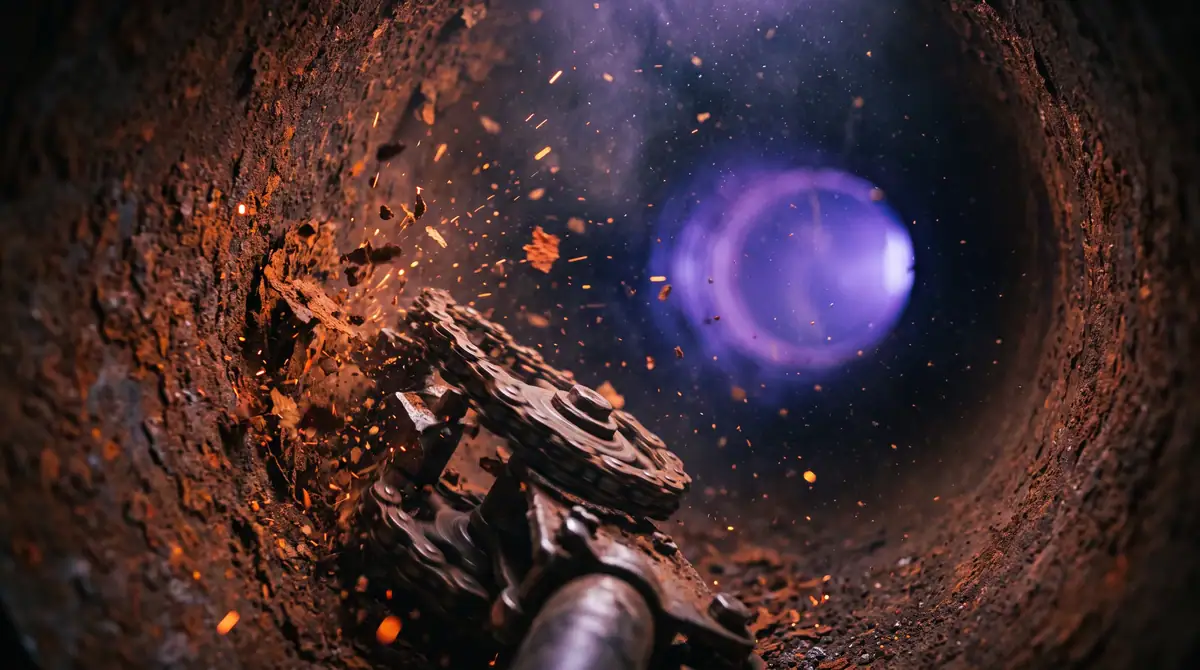 Pipe DescalingMechanical descaling removes rust and mineral scale from iron and steel pipes before lining.Explore
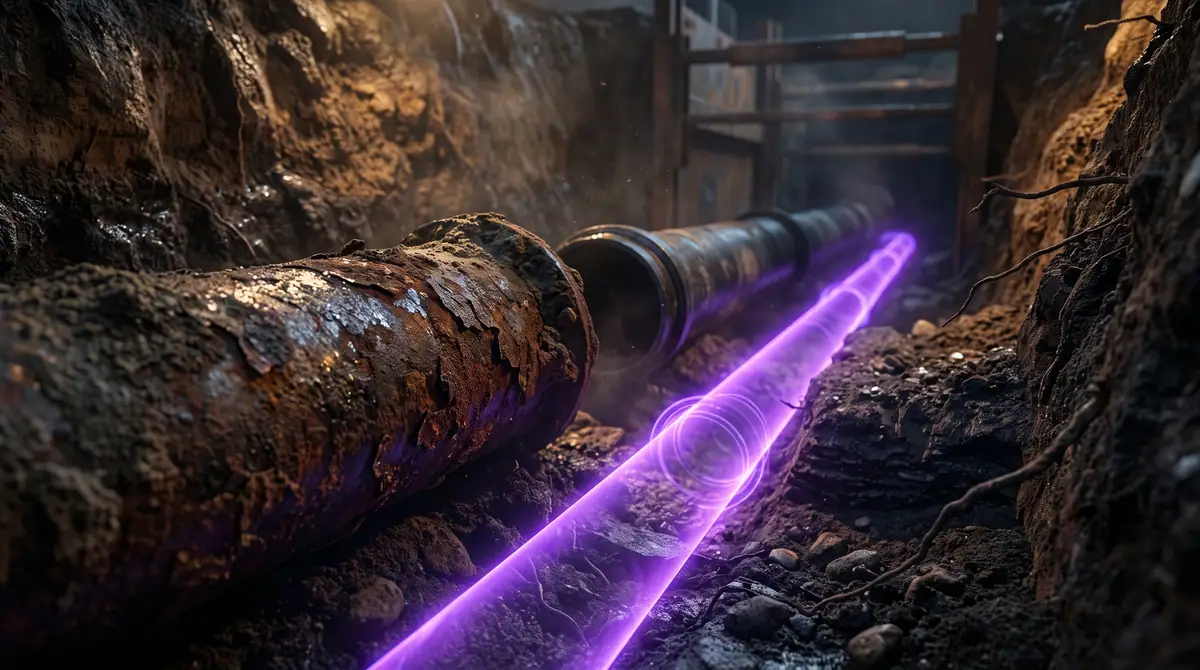 Cast Iron Sewer ReplacementWhen cast iron is too thin or broken to line, trenchless replacement puts in modern pipe.Explore
Tell us what you are seeing. We will schedule a camera inspection, show you the real video and give you a plain written plan, with a Free Estimate and no pressure.