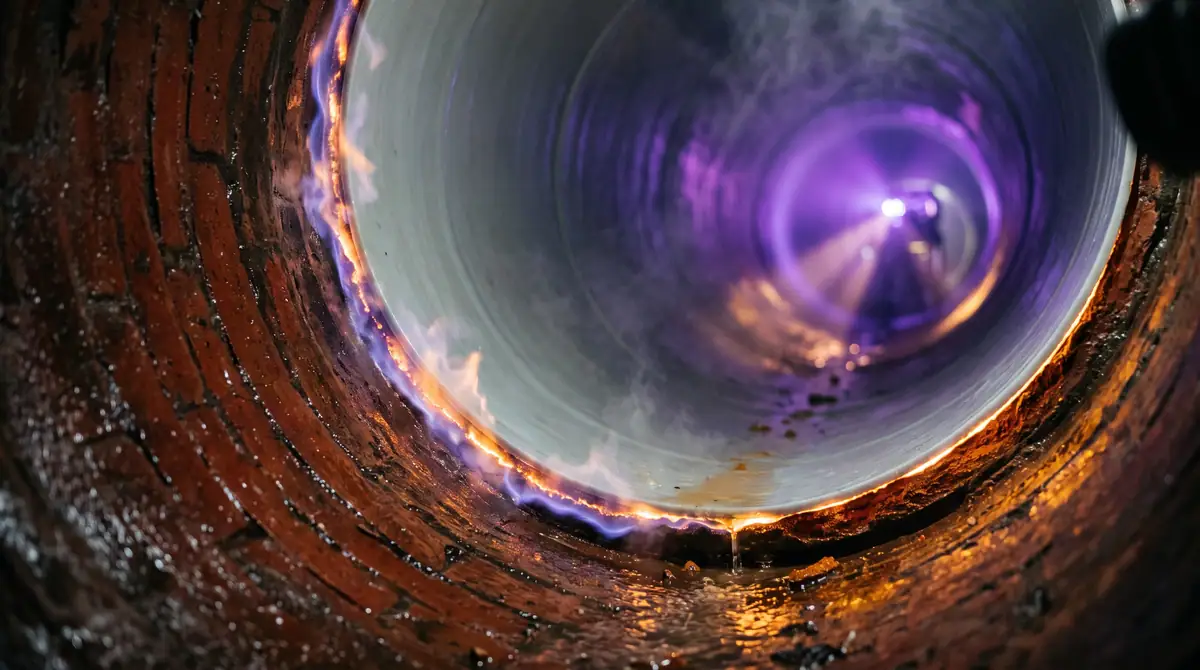
Repeated drain backups
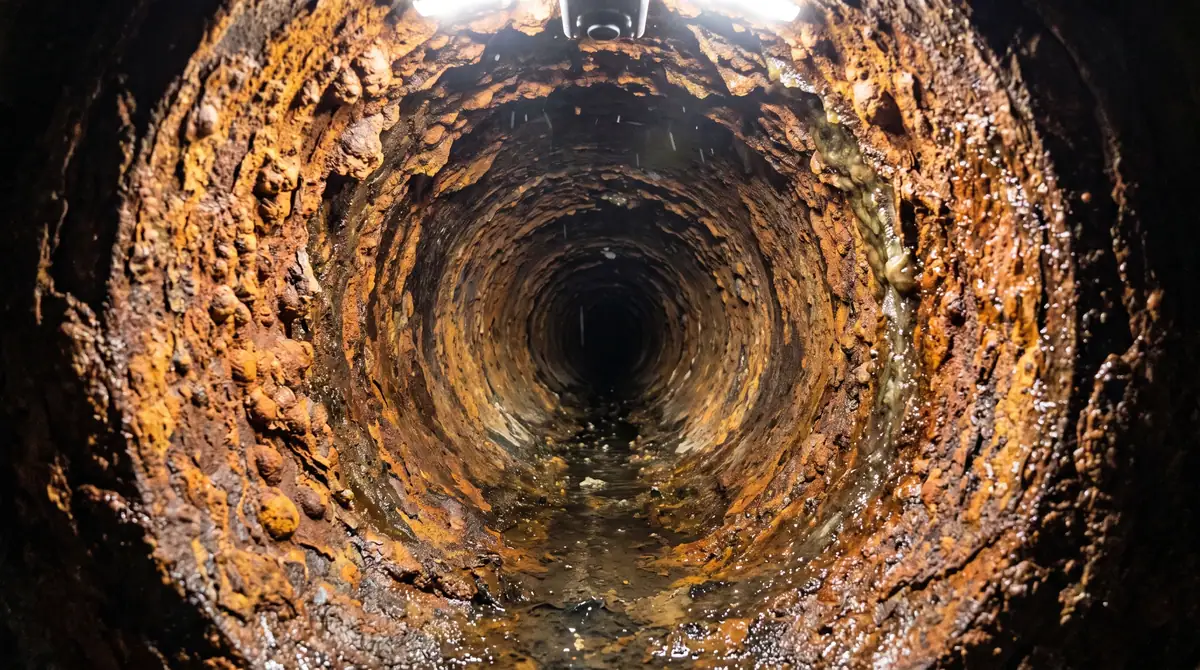
Slow drains or backups that keep coming back often point to cracks, offsets or roots inside the pipe.
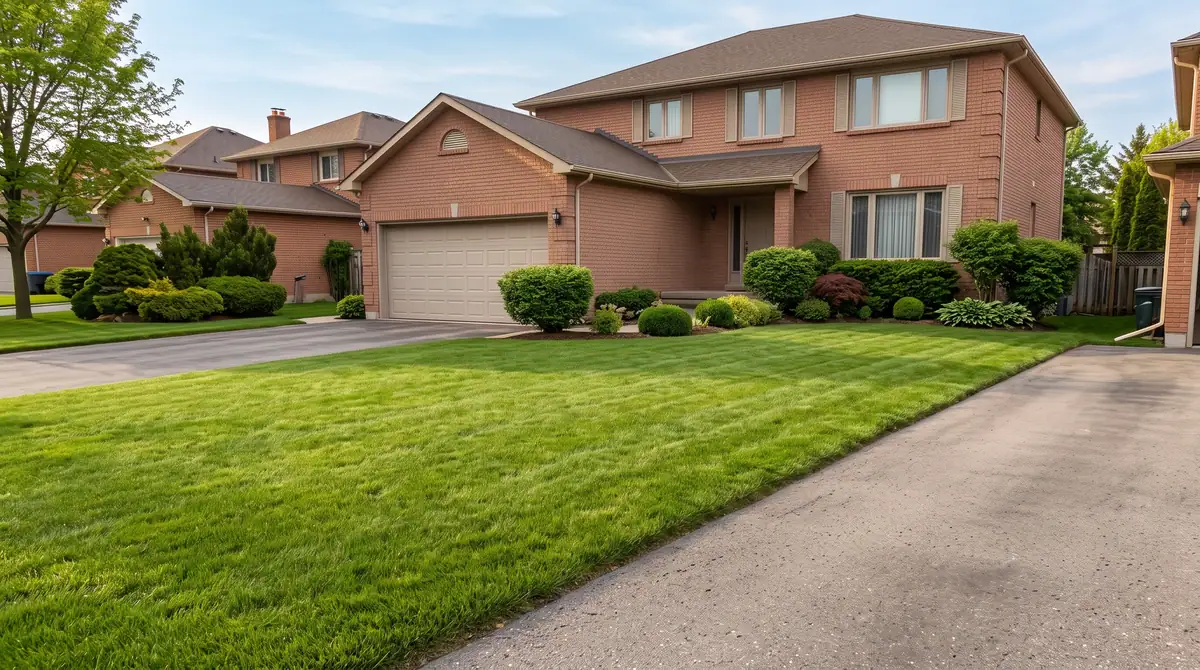
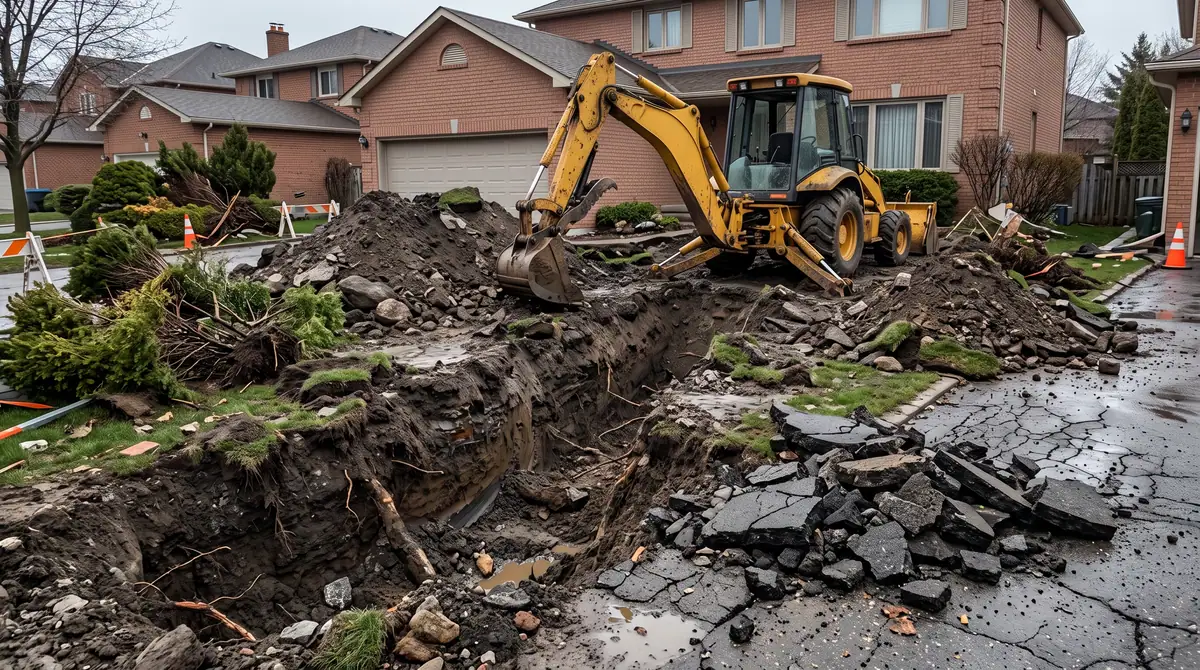
A seamless, jointless new pipe formed inside your old one, with no trench through your yard, driveway or street.
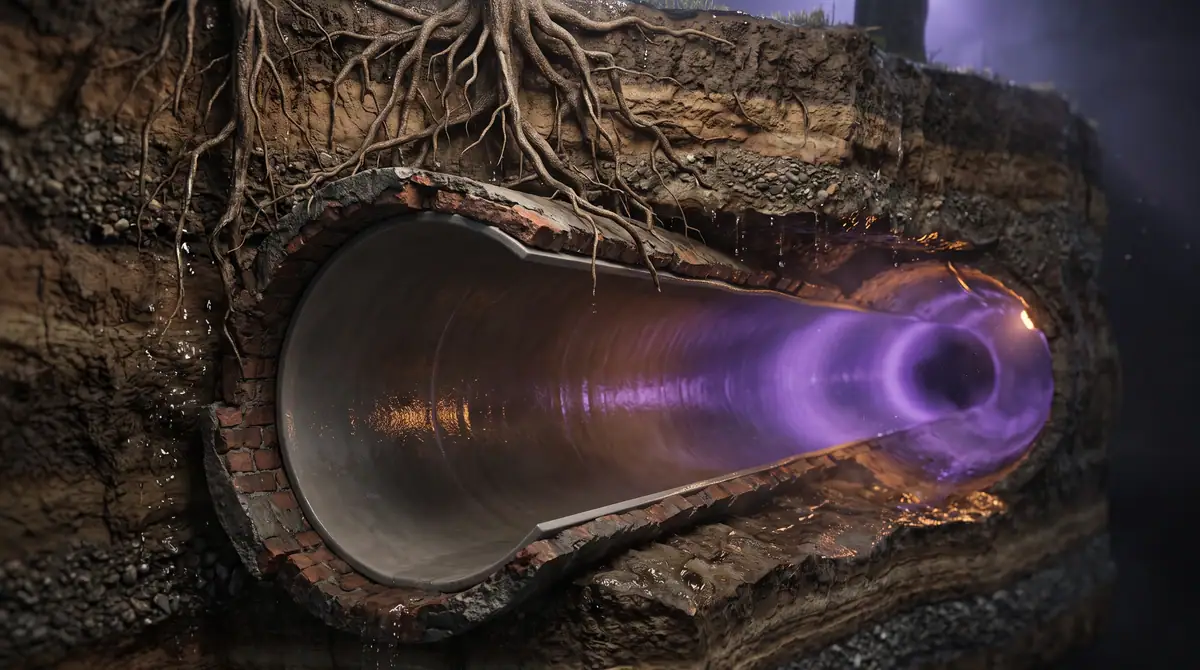
Cured-in-place pipe lining, usually called CIPP, rebuilds a failing pipe from the inside. A felt or fiberglass liner soaked in resin is pulled or inverted into the old pipe, pressed tight against the walls and cured hard. When it sets, you have a smooth, jointless pipe within a pipe that seals cracks, closes joints and blocks root entry. Homeowners and property managers across Knoxville and East Tennessee choose CIPP because it fixes the pipe without ripping up lawns, patios, slabs or roads.
Our crews start with a camera inspection so we can see the real condition of the line, then clean and prepare it so the liner bonds properly. We pick the liner thickness and resin for your pipe size, bends and the kind of problem, then cure it with steam, hot water or ultraviolet light. Afterward we cut open any side connections, run the camera again and show you the finished pipe on video. Every step is explained before it starts, and every job begins with a Free Estimate and a written scope.
Slow drains or backups that keep coming back often point to cracks, offsets or roots inside the pipe.
Tree roots slip into tiny joint gaps and grow into thick clogs that cutting only delays.
Fractured, corroded or leaking pipe can often be sealed by a liner instead of dug out.
Aging materials fail at the joints and walls, which is exactly what a liner covers.
We record the full length of the line and mark every defect, bend and connection.
Roots, scale and debris are removed so the liner can press against clean pipe wall.
The resin-saturated liner is pulled or inverted through a small access point.
Steam, hot water or UV light hardens the resin into a structural new pipe.
Side connections are reopened and a final camera run confirms a smooth finish.
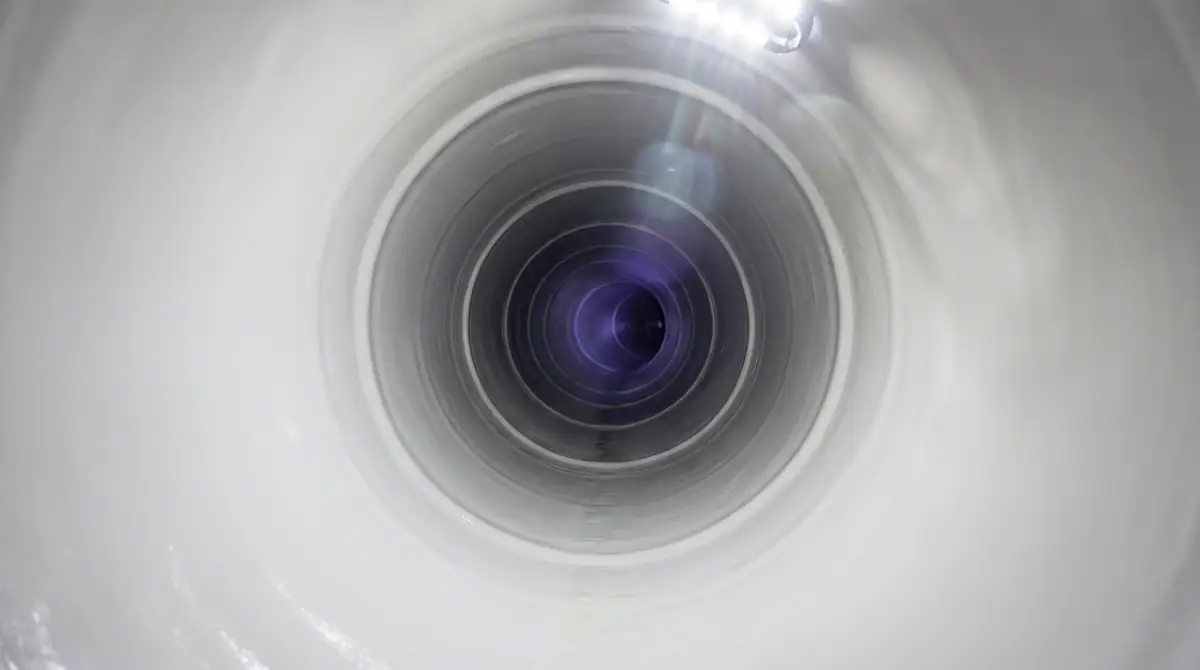
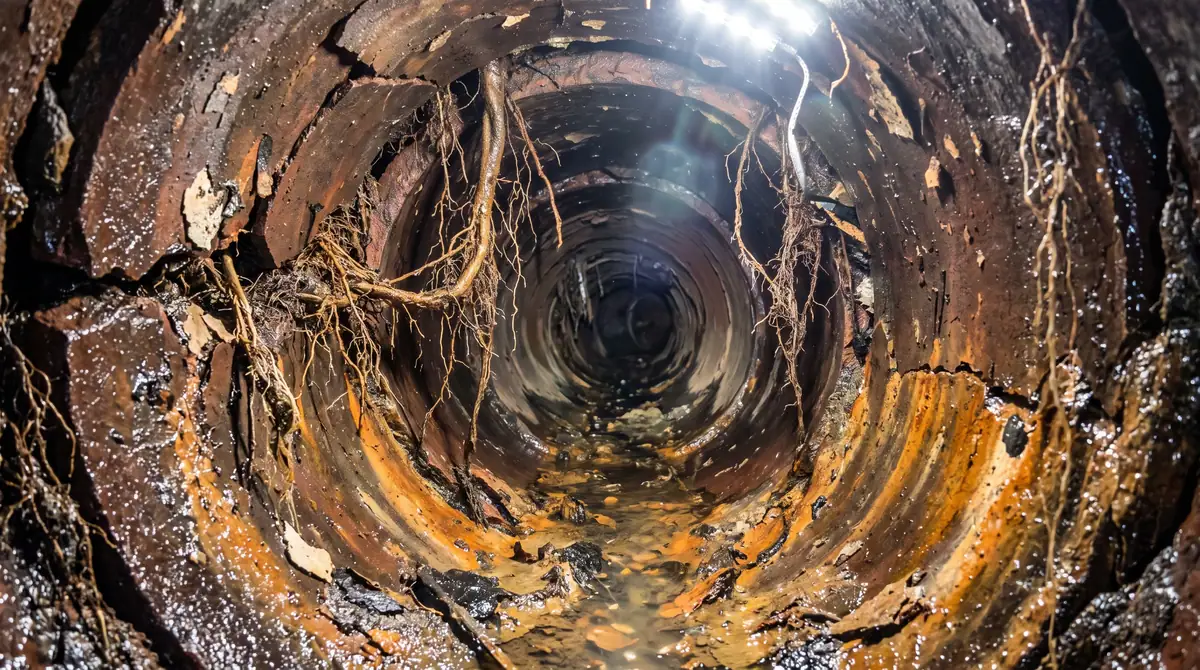
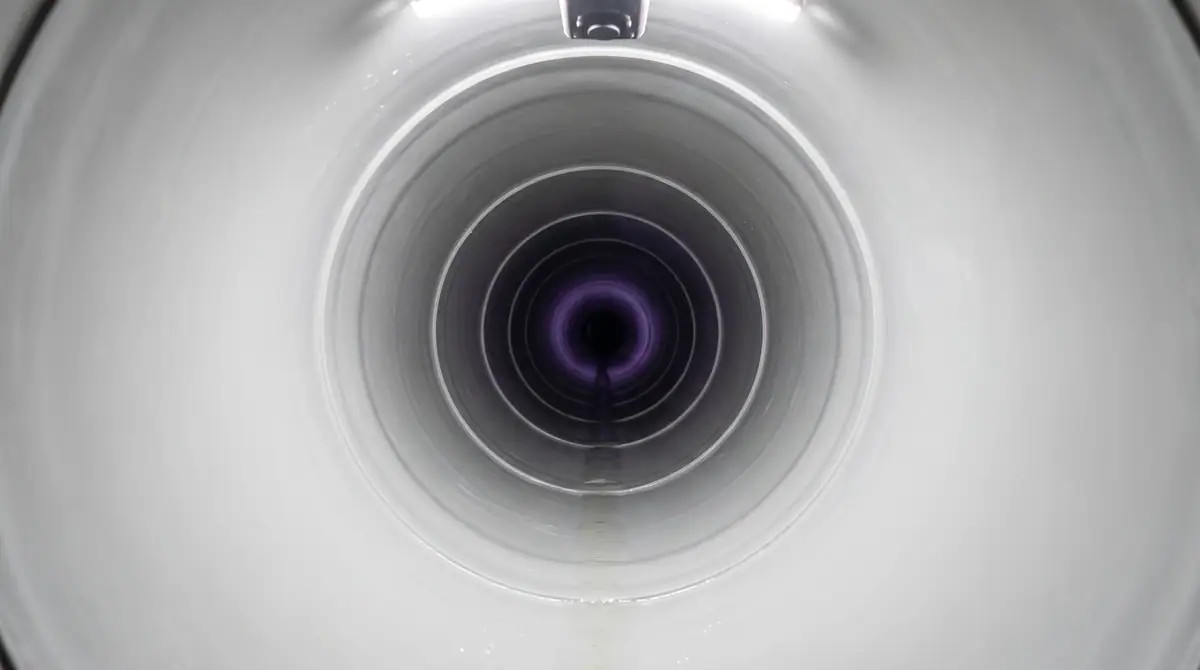
Work happens through existing cleanouts, manholes or small access points.
No joints for roots to enter and a smooth surface that flows well.
Most residential lines are lined in a day, so your property is usable again quickly.
Lawns, driveways, trees, slabs and landscaping stay where they are.
Yes. A liner bridges cracks and open joints. Pipes that have fully collapsed or lost their shape may need replacement instead, and the camera tells us which.
Many home sewer lines are lined in a day, depending on length, diameter and prep. We give a schedule in writing.
The liner is thin, and its smooth wall carries flow well, so capacity is usually preserved.
It is used for sewer mains, laterals, drains, stacks, storm lines and culverts, and we explain what fits your system.
 Sewer Main LiningStructural lining for the larger sewer line that carries everything from your property out to t…Explore
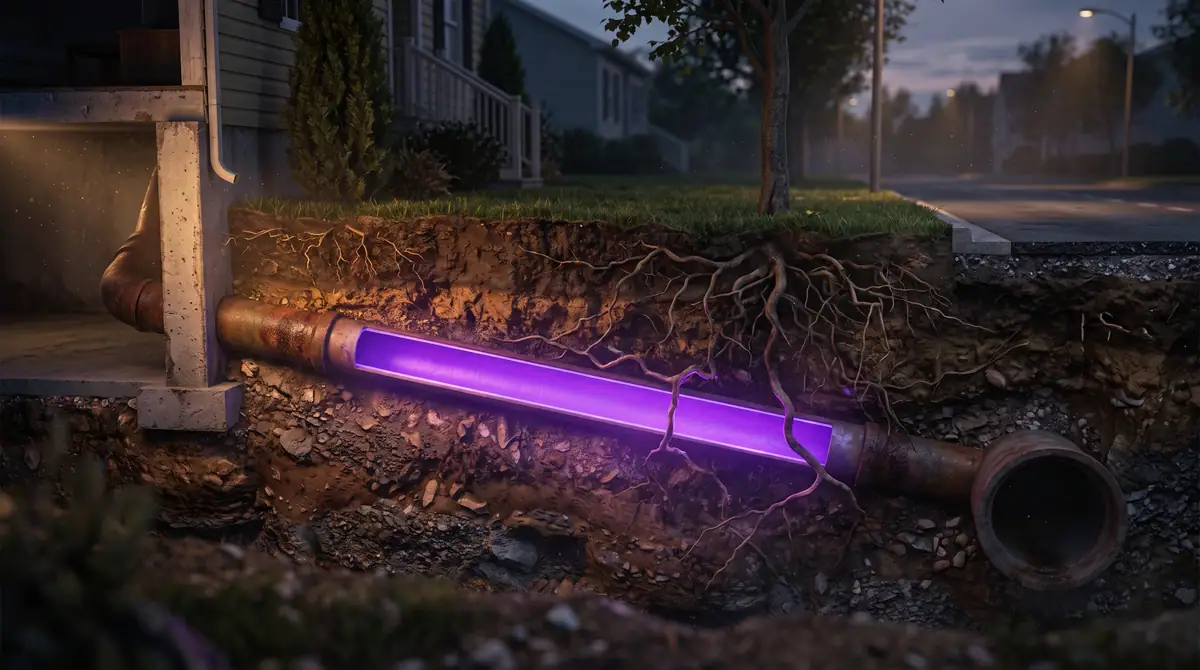 Sewer Lateral LiningTrenchless lining for the lateral that links your home or building to the public sewer.Explore
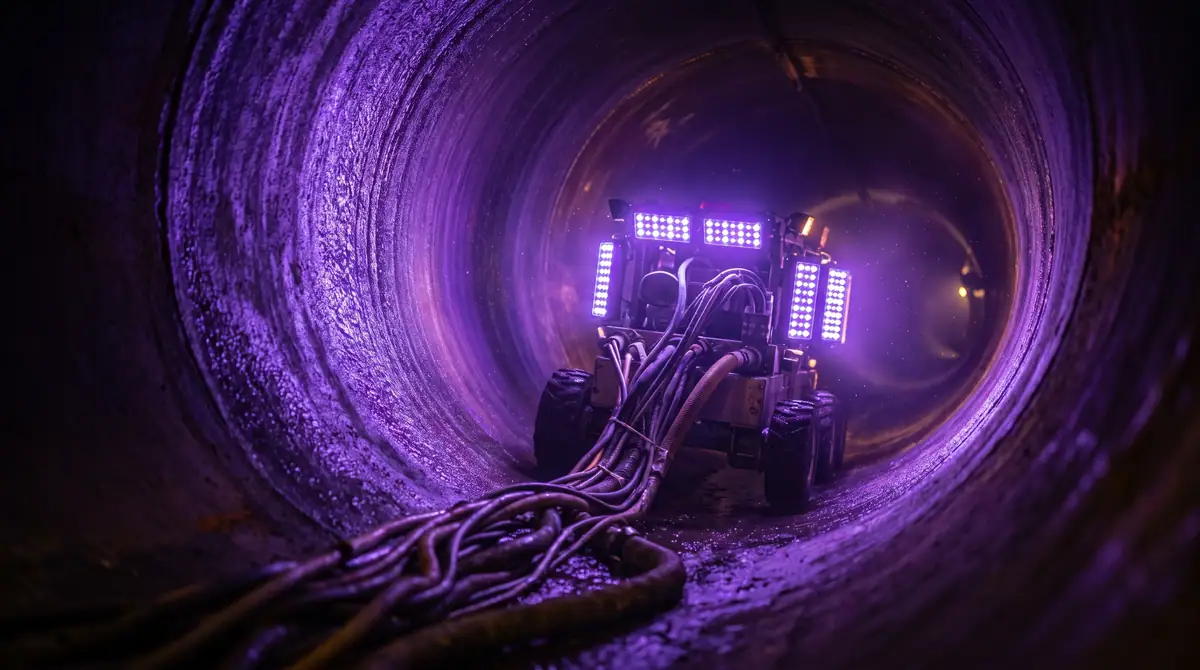 UV-Cured CIPP LiningUltraviolet light cures the liner quickly and consistently from the inside, with tight control…Explore
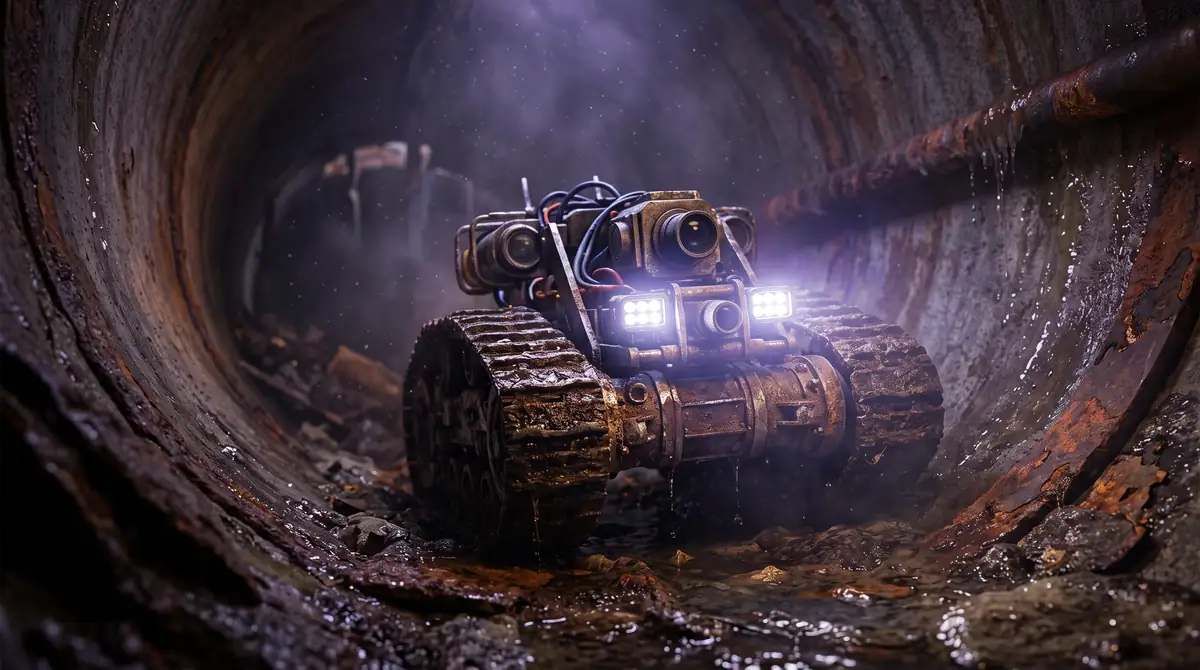 Sewer Camera InspectionA robotic camera shows exactly what is wrong inside your pipe, so repairs are based on video, n…Explore
Tell us what you are seeing. We will schedule a camera inspection, show you the real video and give you a plain written plan, with a Free Estimate and no pressure.