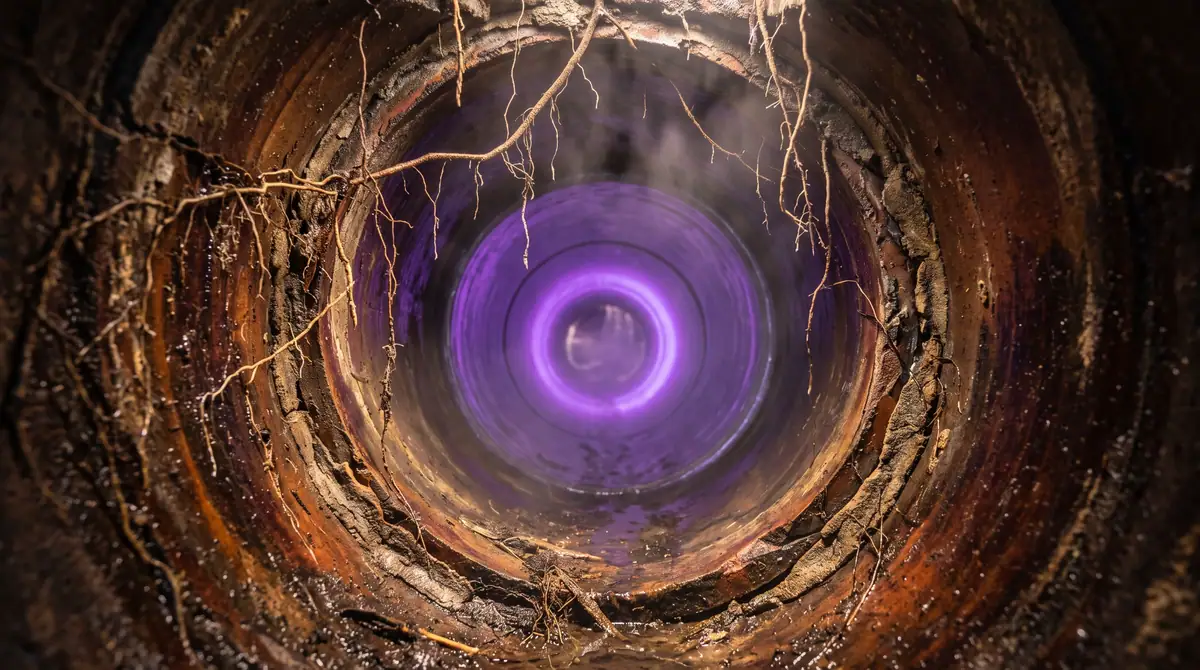
Roots at nearly every joint
Many joints means many entry points, which lining closes together.
Seal the joints of old vitrified clay sewer pipe so roots and groundwater stop getting in.
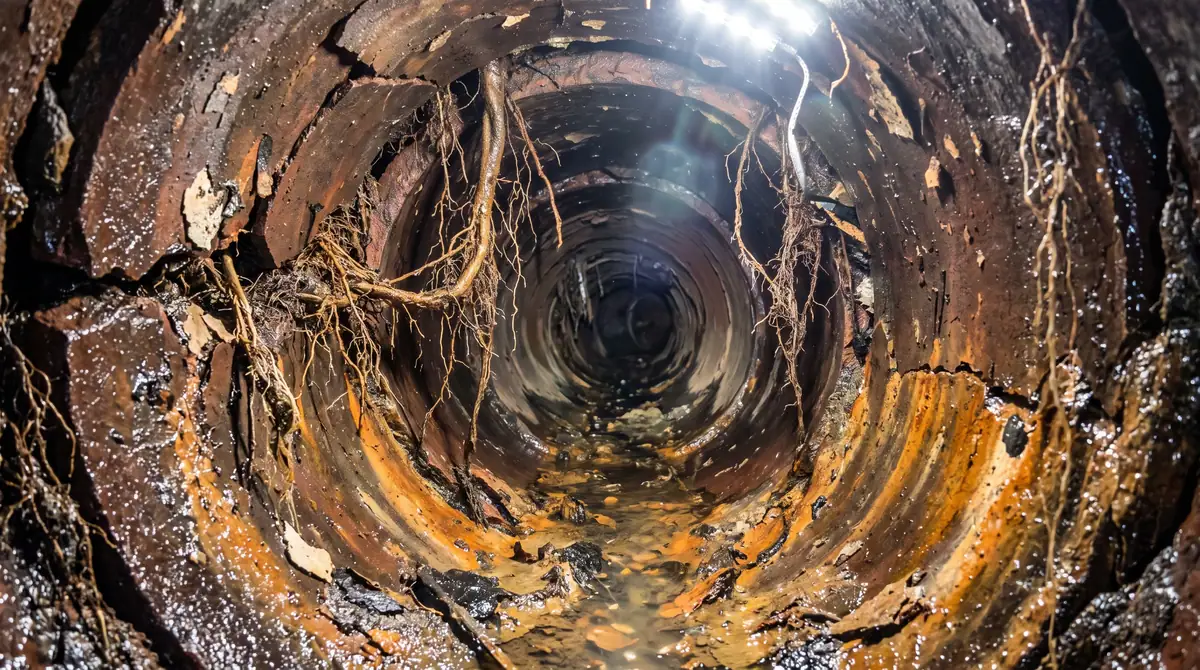
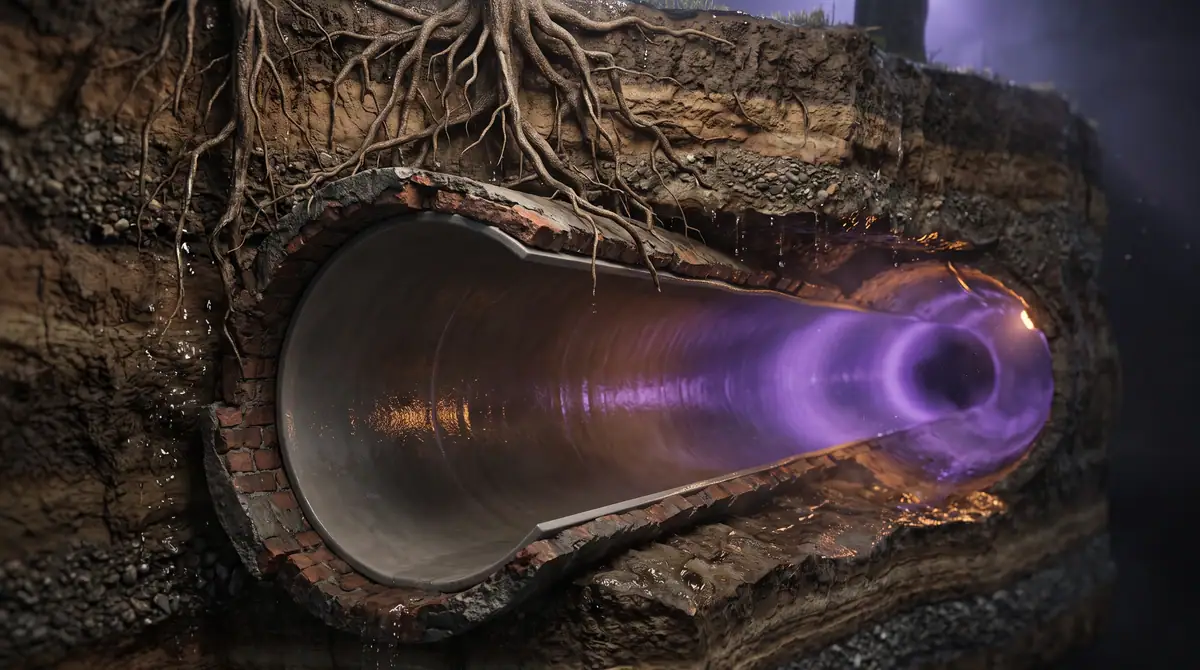
Vitrified clay pipe is tough, but it was laid in short sections with many joints. Over decades those joints loosen, shift or crack, and roots and groundwater follow. A clay line may look fine from the surface and still be full of roots below. Clay pipe lining gives the old pipe a smooth, jointless interior so the line stops leaking and stops collecting roots, and it is often the best first answer for older Knoxville neighborhoods.
We camera the clay line, cut or jet away roots, and cure a liner sized to the pipe. The liner spans every joint and crack. If the pipe has an offset, sag or break, we show it to you and explain whether lining, a point repair or replacement is wiser. We report what we find honestly, because clay sometimes needs a hybrid solution.
Many joints means many entry points, which lining closes together.
Clear water seen on camera points to joint leaks.
Clay can fracture under load or from tree roots.
If the line needs clearing every year, the joints are the real issue.
We record the clay line and note each joint and defect.
Roots are cut and the pipe is jetted clean.
Broken sections or large offsets are handled first.
A custom liner is installed and hardened.
A final video shows a smooth sealed interior.
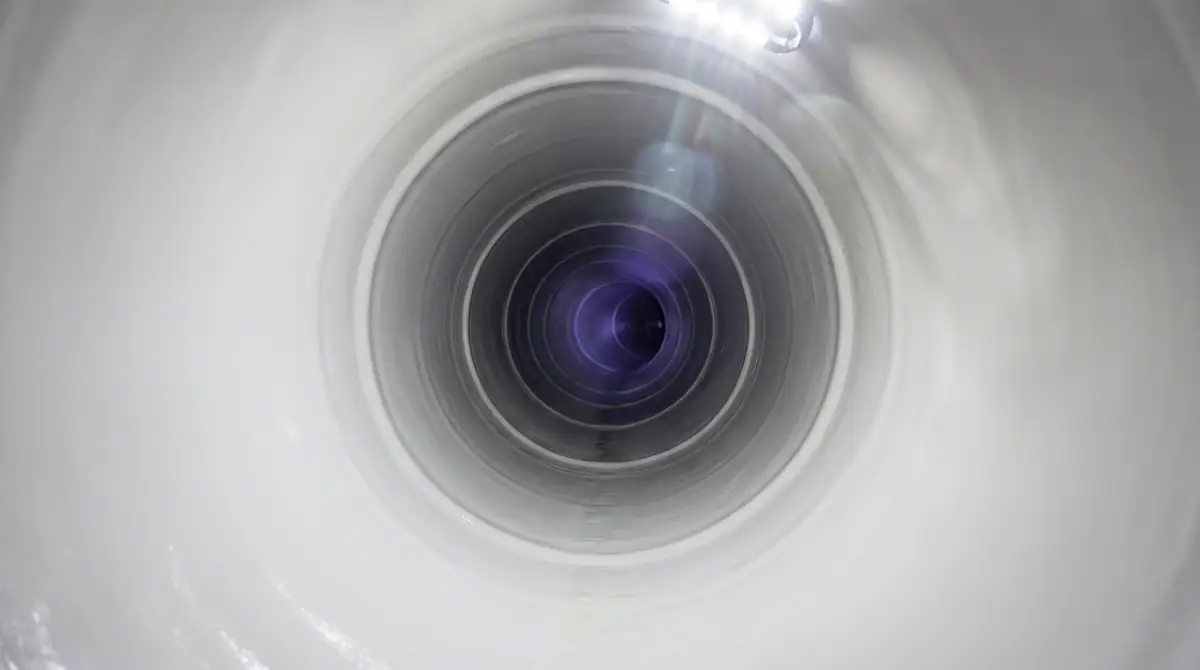
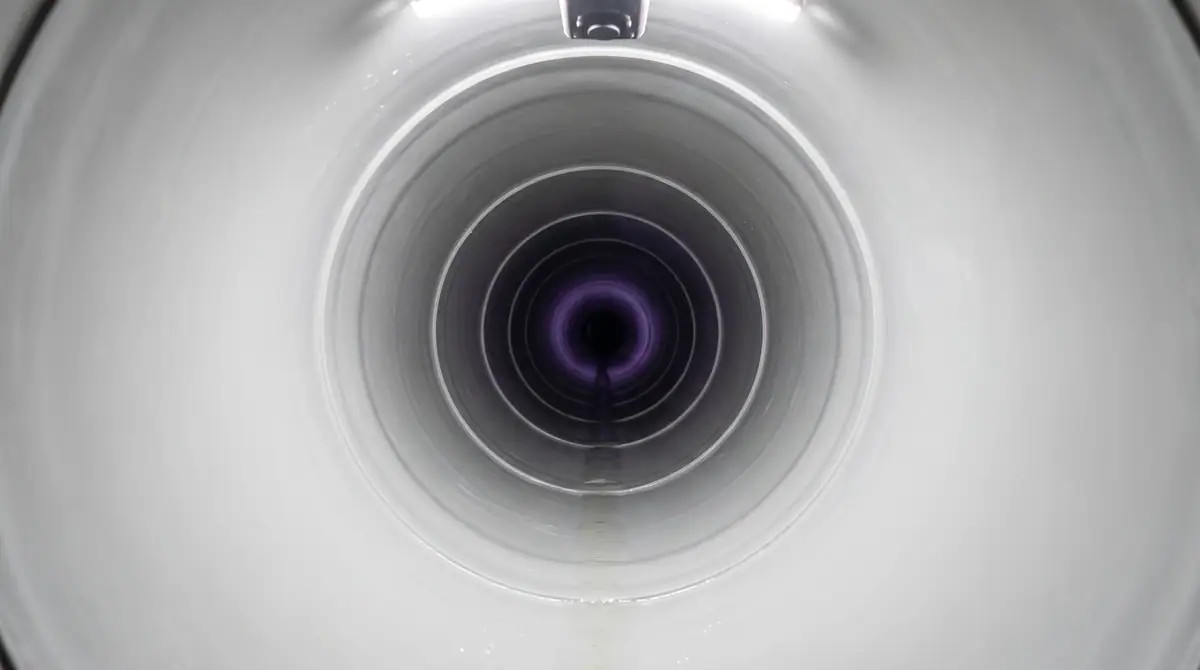
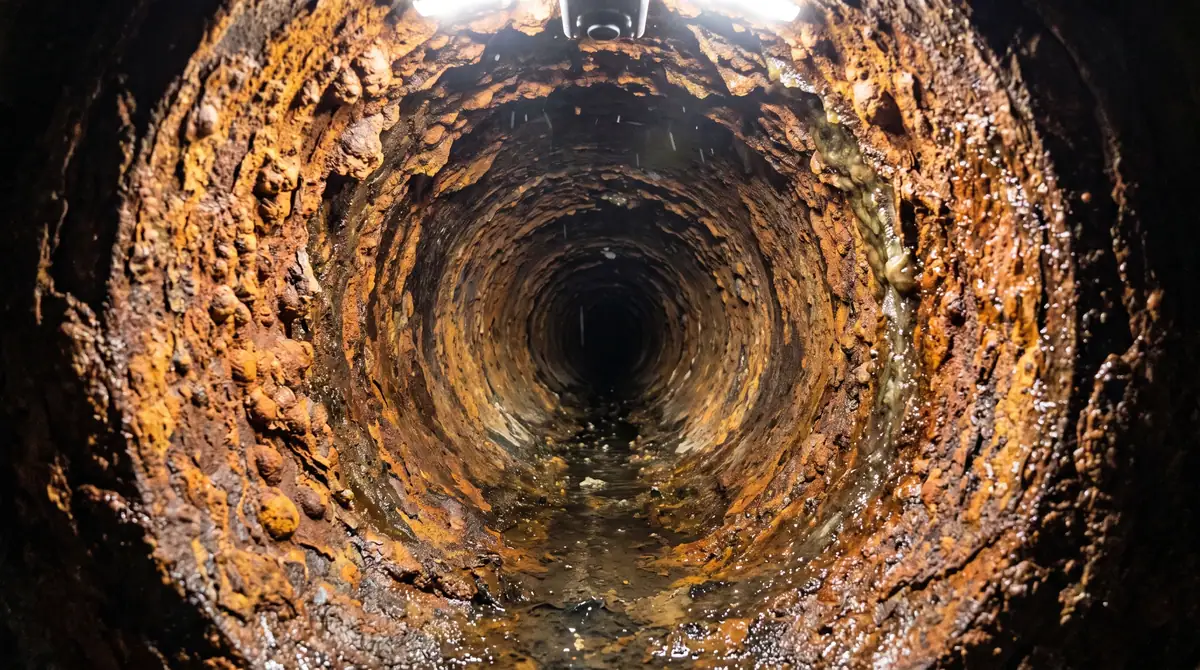
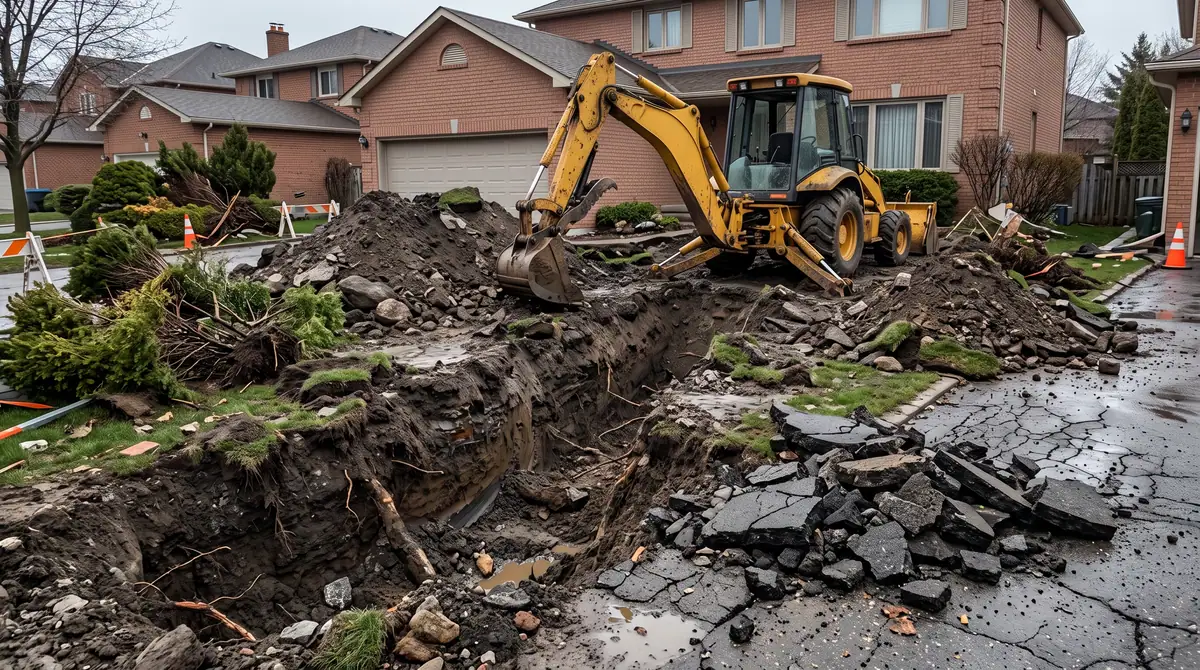
Hundreds of tiny gaps become one continuous pipe.
No open joints, no easy path in.
Less clean water enters the sewer system.
Old trees and gardens stay untouched.
Roots need a gap to enter. A continuous liner closes the joints, though roots outside can still press on the pipe.
Slight deformation is fine. Severe deformation may call for replacement.
Clay resists chemicals well but is brittle. Lining adds a flexible structural layer.
Often no. Lining is commonly enough, and we explain when it is not.
 Sewer Main LiningStructural lining for the larger sewer line that carries everything from your property out to t…Explore
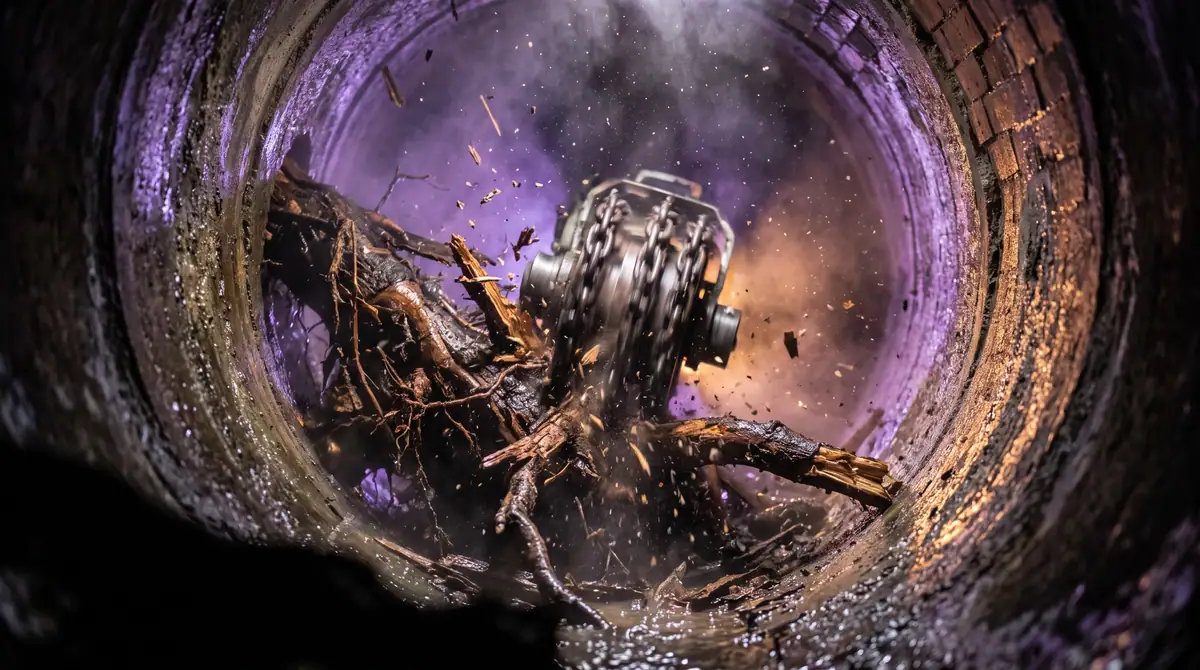 Root Cutting and RemovalMechanical cutters remove roots from sewer pipes so flow returns and the cause can be fixed.Explore
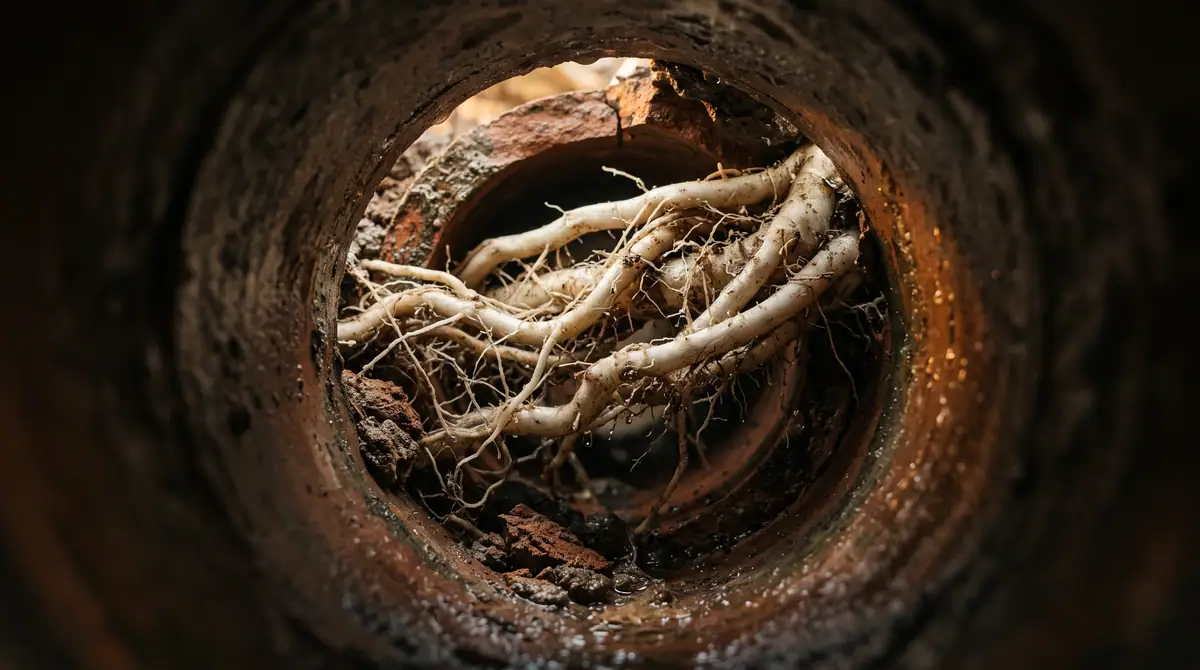 Root Intrusion RepairSeal the joints roots are using so the line stays clear after the roots are cut out.Explore
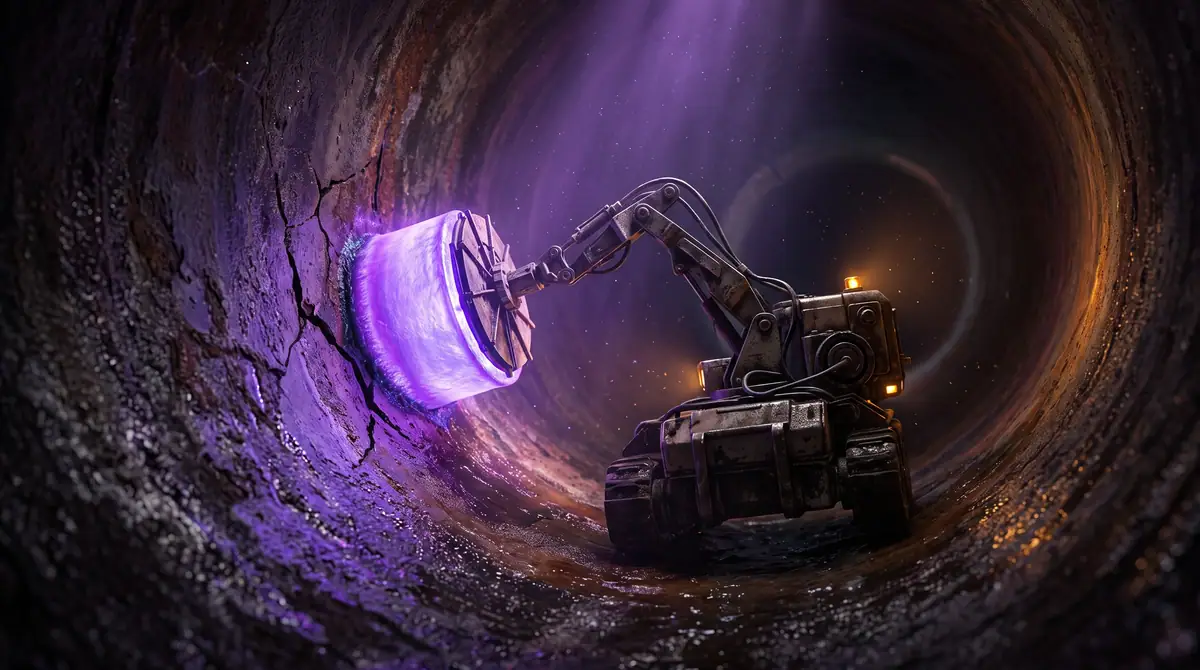 Point Repair LinersA short liner patch that fixes one cracked joint or damaged spot without lining the entire pipe.Explore
Tell us what you are seeing. We will schedule a camera inspection, show you the real video and give you a plain written plan, with a Free Estimate and no pressure.